Seattle · ovens and ranges
Oven and Range Repair in Seattle, WA
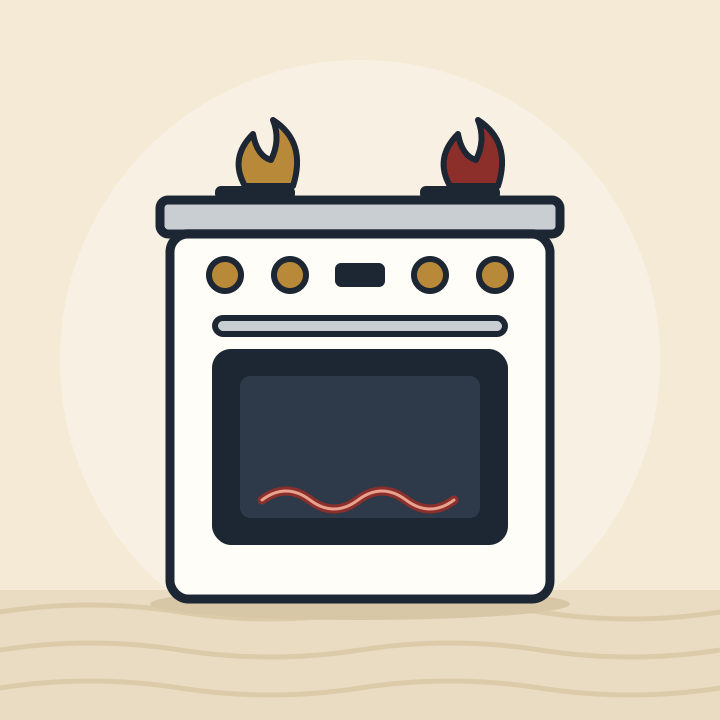
An oven that takes forever to heat, a burner that clicks without lighting, a cooktop that throws an error halfway through dinner? We repair gas, electric and induction ranges, wall ovens and cooktops in Seattle kitchens.
- The repair cost in writing before we start
- Authorized for LG and Whirlpool
- Open all seven days, 8 AM–7 PM
- Washington license for appliance repair
- Authorized for LG and Whirlpool
- EPA 608 Universal refrigerant card
- Sealed systems fixed in the kitchen
- Seven days, 8 AM–7 PM
Ovens and ranges we fix
What we hear on oven or range calls
A slow gas oven nearly always comes down to the bake igniter: it ages, draws less current, and stops pulling the gas valve open. On electric ovens the bake or broil element burns through. A temperature sensor that drifts makes cakes sink and roasts run late. We check each part with a meter, and on gas ranges we test for leaks after any repair on the gas side.
Bake takes forever, or never comes
A tired bake igniter on gas, a burnt-out element on electric, or a failed relay on the board.
Burners click but will not light
Caps sitting crooked or damp, a hairline-cracked igniter, or a spark module stuck firing.
Roasts late, cakes sunk
An oven sensor that has drifted, or a control that needs recalibrating.
Self-clean lock stuck
A door lock motor or switch that did not release after the cycle.
Induction error codes
Cooling fans, power boards and pan sensors; we read the code and test the board.
Smooth-top element dead
A coil that has burned through, an infinite switch gone weak, or a scorched spot where the wires land.
In your home
Oven and Range Repair where the oven stands
Seattle kitchens hold every kind of cooking surface: original gas ranges in older houses, smooth-top electric in many condos, and induction in a lot of newer buildings and remodels. We service all three, and pro-style ranges too.
Grease is the quiet enemy of newer ranges. Induction cooktops and convection ovens pull air through small fans, and a film of cooking grease slowly chokes them until the control shuts down to protect itself. A kitchen hood that actually vents outside, and a wipe of the vents now and then, keeps those fans turning.
How a visit goes
From your call to a working machine
- 1
Tell us what is wrong
Ring us or fill in the booking card: which machine, what it does, your ZIP. A person calls back to agree on a time, any of the seven days, 8 AM–7 PM.
- 2
A meter, not a hunch
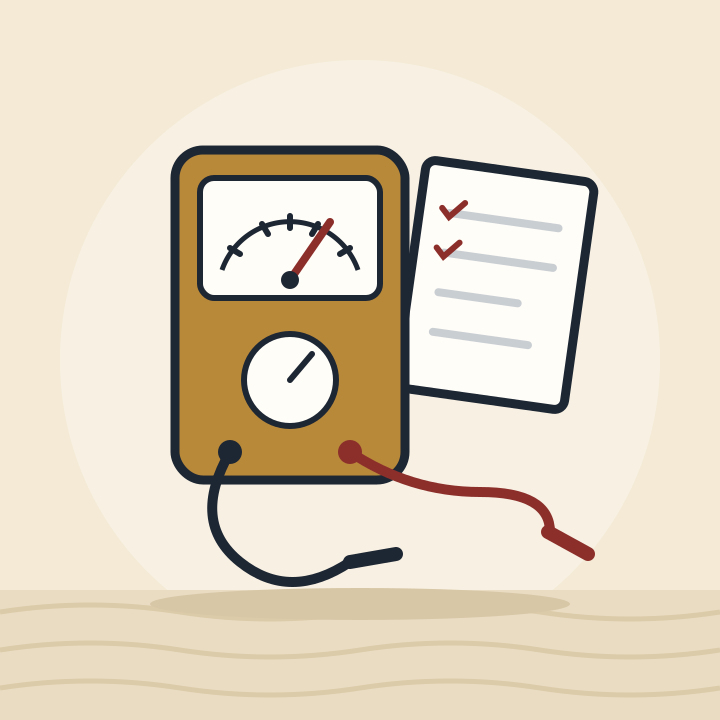
At your door the technician confirms power first, runs a cycle, then takes readings on the parts that fit the symptom. The diagnosis comes from numbers on the meter.
- 3
A cost you can hold
Before a screw is turned, the repair cost is written out for you. Say yes, and the visit charge is swallowed by that figure. Say no, and only the trip gets billed, with our notes left in your hands.
- 4
Fixed, and on paper
Igniters, pumps, fuses and valves ride along in the van, which lets plenty of jobs close out in a single trip. Parts we need to order get a return date pinned down before we leave. Your invoice lists the warranty in plain terms.
Around the dial
What we repair, mark by mark
Seven marks, one for each kind of job we take on. Tap a mark or let the dial turn.

Mark 1 of 7
Ovens and ranges
Bake that never gets hot, a burner ticking with no flame, a dial that no longer tells the truth.
Oven and Range Repair in Seattle →Neighborhoods
Oven and Range Repair by neighborhood
Pick your part of the city for local notes on housing, laundry rooms and kitchens.
FAQ
Ovens and ranges: questions we hear
My gas oven lights slowly. Should I stop using it?
Smell gas at all? Shut the oven off, air out the kitchen and ring your gas service line. A slow light with no smell usually means a weak igniter; we replace it and leak-test the connection afterward.
Induction cooktop showing a code?
Most of the time the fault lives in one of three places: the cooling fan, the power board or the pan sensor. We test each on the visit.
Can you calibrate my oven?
Yes. We compare the oven's reading with our own thermometer, then adjust the control or replace the sensor if it has drifted too far.
Pro-style ranges too?
Yes, including dual-fuel ranges with griddles and grills. Give us the make and width when we call back.
The self-clean cycle locked my oven door. What now?
Let the oven cool completely, then cut power at its breaker for a minute and restore it. If the lock still holds, leave it and book a visit; forcing the door bends the latch.
Put your machine on our schedule
Describe the trouble and we ring back to fix a time and quote the visit charge. The repair figure goes on paper, and nothing gets unscrewed until you have read it and said yes.